
Contact Us
Pearson Electronics
4009 Transport Street
Palo Alto, CA 94303
(650) 494-6444
sales@pearsonelectronics.com
Or submit a detailed request using the form below
Operating Manuals:
This page exisits only for the admin to login
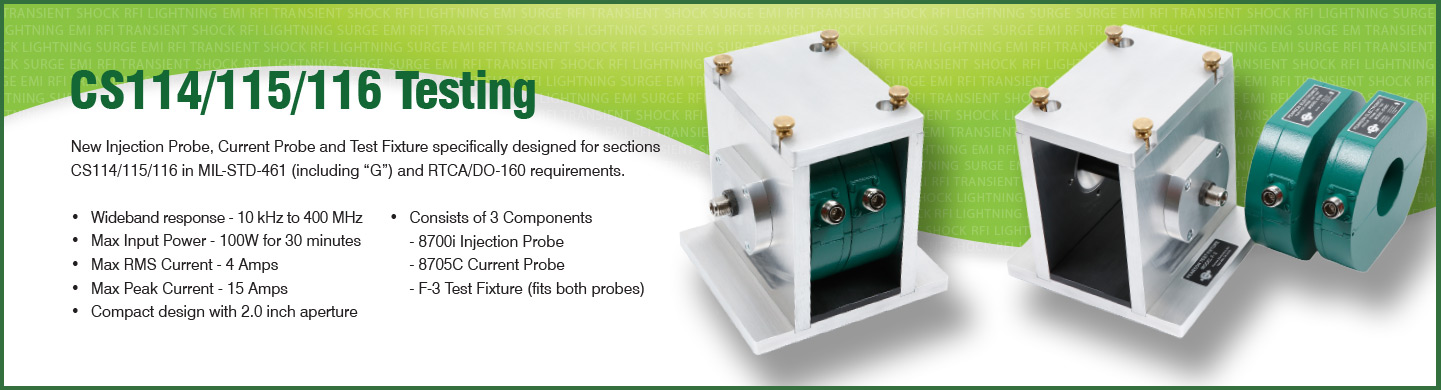
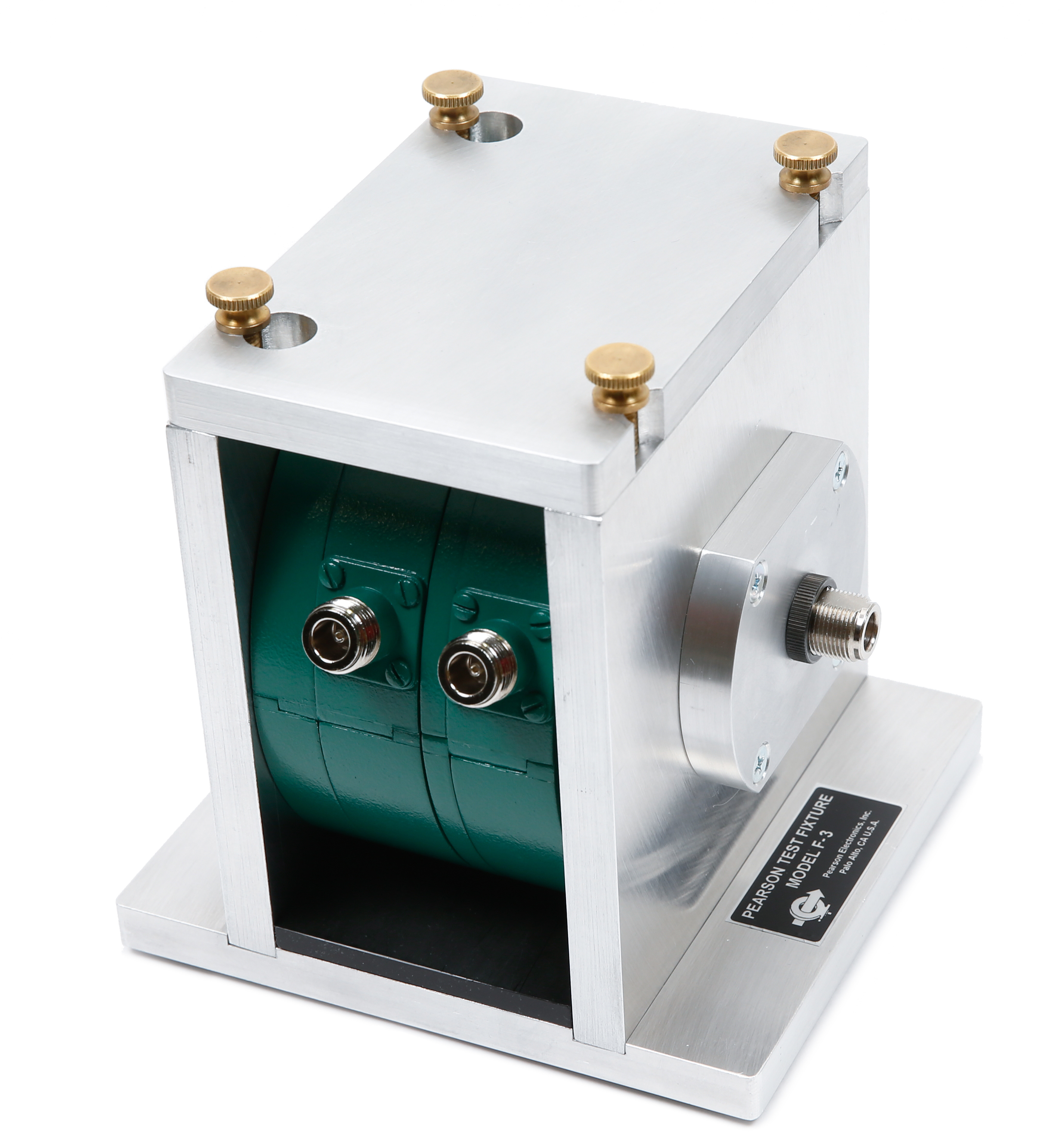 Pearson Electronics is pleased to introduce a new Injection Probe, Current Probe and Test Fixture specifically designed for meeting MIL-STD-461 and
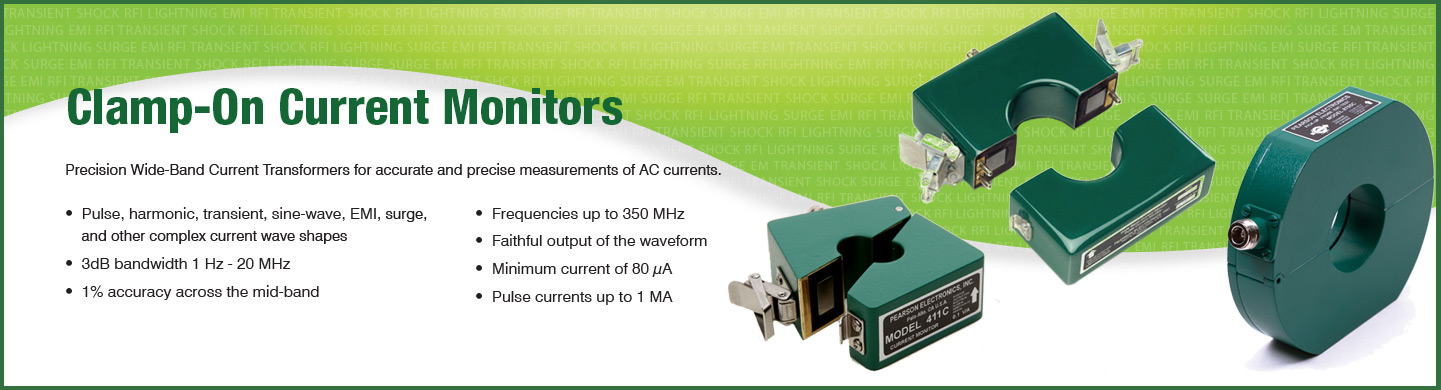
 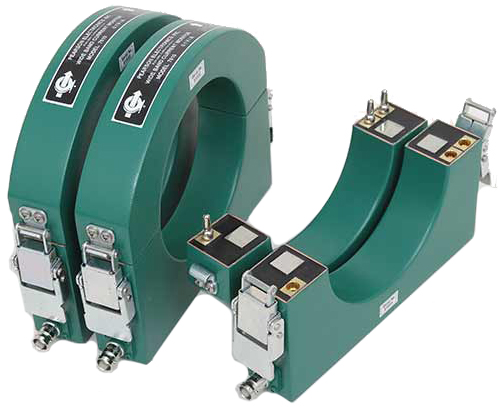 New line of Wide-Band Clamp-on Current Monitors features a 4 inch or 6 inch aperture in a
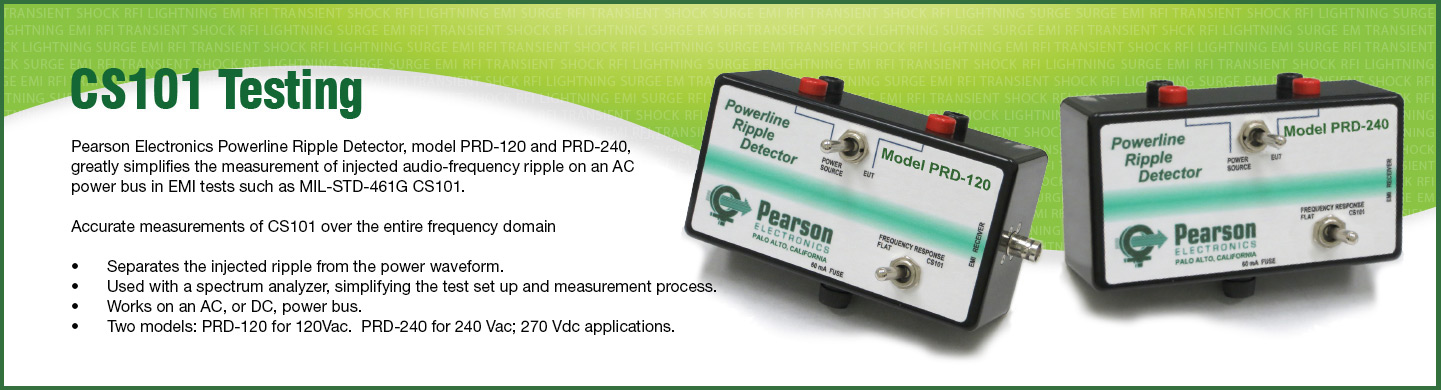
 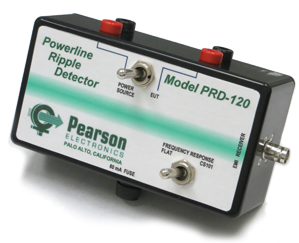 Pearson Electronics Powerline Ripple Detector greatly simplifies the measurement of injected audio-frequency ripple on an ac power bus in EMI tests such as MIL-STD-461G CS101. The model PRD-120 accurately measures low-level audio ripple voltage on a 115 Vac power bus. The model PRD-240 is designed for voltages above 120 Vac and up to up to 240 Vac; 270Vdc. Both are used with a spectrum analyzer.
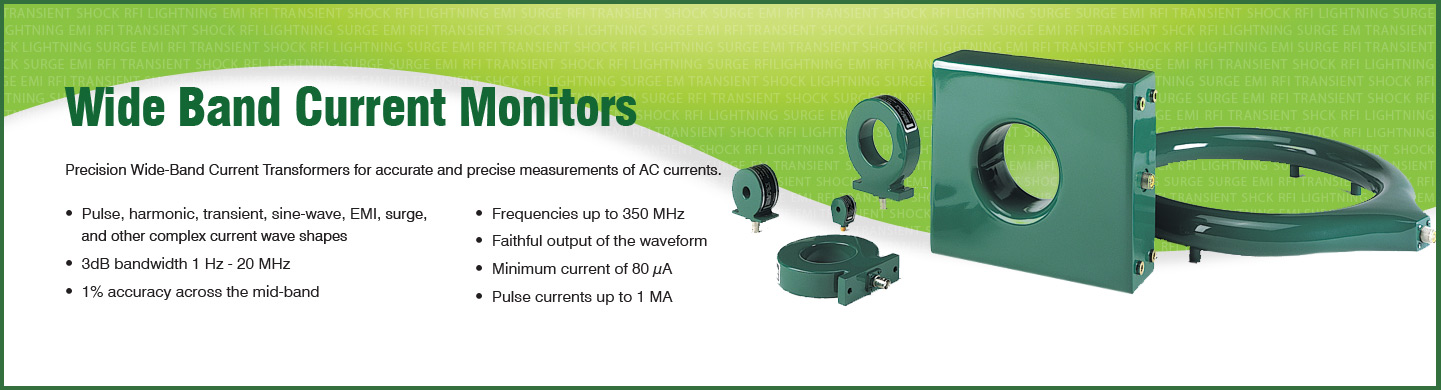
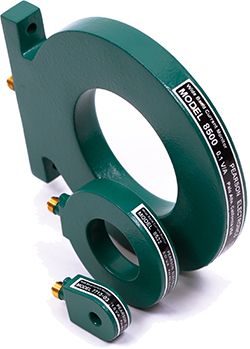 New ultra-thin wide-band current transformers released by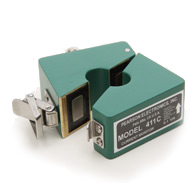
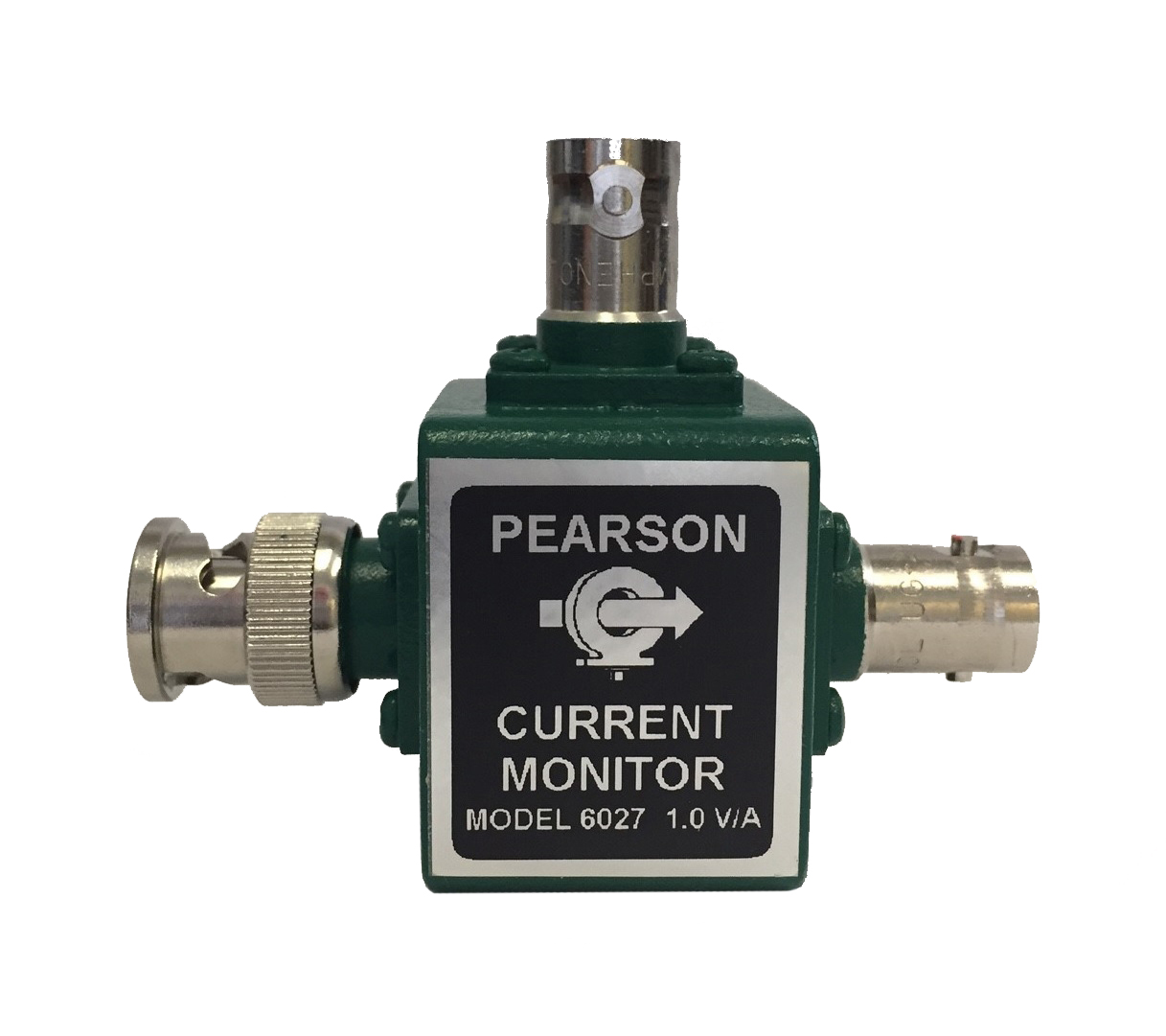 Pearson Electronics introduces a new wide band current monitor that allows you to easily measure current within a coaxial cable system. The current monitor can be inserted within a coaxial cable run by means of two BNC connectors. The Model 6027 has a 3dB bandwidth from 300 Hz to 200 MHz and an rms current rating of 2.5 Amperes.


